

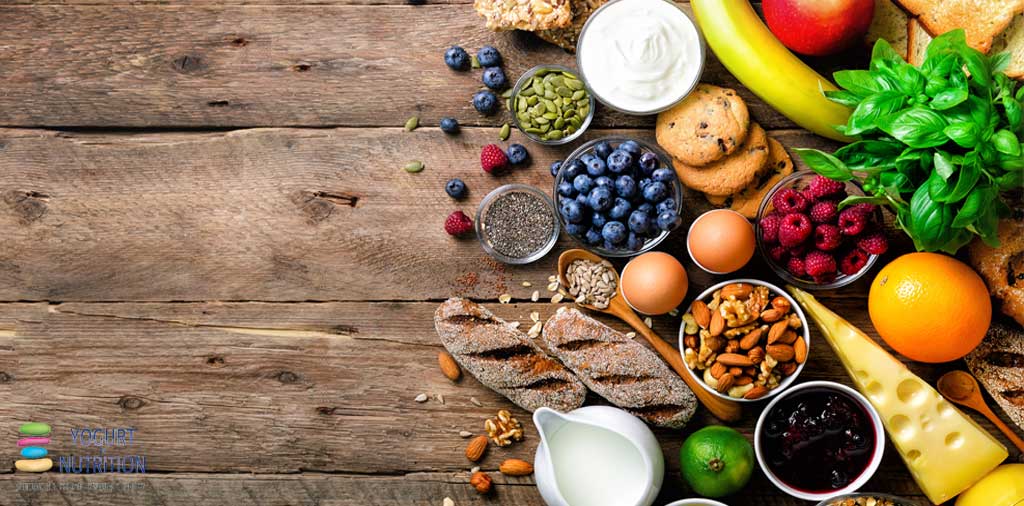
Understanding diet today goes far beyond deciding whether a food is “healthy” or not. For those who want sustainable performance, sharper cognitive function, balanced hormones, and steady metabolic health, the key is not only what you eat, but when and how you combine foods. This is where nutrient timing and food synergy reshape modern nutrition. These concepts focus on coordinating meals with the body’s natural rhythms and pairing nutrients so they improve each other’s absorption and effectiveness.
What Makes Nutrient Timing Different from Traditional Dieting?
Conventional dieting emphasizes calorie control, eliminating certain foods, or following simplistic macronutrient ratios. Nutrient timing takes a different approach by analyzing how the body’s hormonal and metabolic systems fluctuate throughout the day.
Your body responds differently to identical meals depending on:
-
The time of day the meal is consumed
-
Physical activity before or after eating
-
Your circadian rhythm and sleep patterns
-
Stress and cortisol levels
-
Digestive efficiency throughout the day
For instance, insulin sensitivity typically peaks earlier in the day, meaning morning carbohydrate intake is more likely to be used for fuel rather than stored as fat. Conversely, the body becomes more efficient at metabolizing protein and fats in the evening, supporting recovery and cellular repair while you sleep.
Key Benefits of Strategic Nutrient Timing
-
Supports lean muscle preservation while reducing fat accumulation
-
Maintains stable energy without daytime crashes
-
Helps balance hunger-regulating hormones like ghrelin and leptin
-
Enhances workout recovery and performance
-
Improves digestion efficiency and nutrient absorption
This isn’t about restriction. It’s about precision.
Core Principles of Nutrient Timing
1. Prioritize Protein Distribution Throughout the Day
Rather than consuming most protein at dinner, spacing it evenly ensures the body maintains a steady supply of amino acids. This supports muscle repair, neurotransmitter production, and immune regulation.
Optimal strategy: Include 20–30 grams of high-quality protein in every meal.
Examples:
-
Greek yogurt with chia seeds at breakfast
-
Lentils or chickpeas in lunch salads
-
Salmon, tofu, or lean poultry at dinner
2. Front-Load Carbohydrates During Peak Energy Demand
Carbs are most beneficial when your body is active enough to use them. Consuming the majority of carbs earlier in the day or around exercise sessions helps stabilize glucose and supports physical and cognitive performance.
Ideal time frames:
-
Morning when insulin sensitivity is naturally high
-
Pre- and post-workout when muscles can more efficiently store glucose as glycogen
3. Favor Healthy Fats Later in the Day
Healthy fats slow digestion and support hormone production. Including them later in the day aids satiety and provides a stable energy release through nighttime metabolic processes.
Examples:
-
Avocado with dinner
-
Nuts and seeds as evening snacks
-
Olive oil or tahini in later meals
4. Align Eating with Circadian Rhythm
The digestive system works in alignment with daylight. Late-night eating disrupts melatonin release and encourages fat storage.
Practical guideline:
-
Aim to finish the last meal 2–3 hours before sleep
Understanding Food Synergy and Why It Matters
Food synergy refers to how certain nutrients work better together than alone. The interaction between vitamins, minerals, fats, and fibers can enhance bioavailability and metabolic impact.
Key Synergistic Pairings
Vitamin C + Iron
Vitamin C enhances iron absorption by converting it into a form easier for the body to use.
Pairings:
-
Spinach salad with lemon juice
-
Lentils with tomatoes
-
Broccoli with bell peppers
Healthy Fats + Fat-Soluble Vitamins (A, D, E, K)
These vitamins require fat as a carrier for absorption.
Pairings:
-
Carrots with olive oil
-
Eggs cooked in avocado oil
-
Dark leafy greens paired with nuts or seeds
Turmeric + Black Pepper
Piperine in black pepper increases curcumin absorption by up to 2000%.
Use this combination in:
-
Soups and stews
-
Marinades and sauces
Prebiotics + Probiotics
They work together to maintain gut microbiome integrity.
Pairings:
-
Yogurt (probiotic) + bananas (prebiotic)
-
Kimchi with garlic
-
Kefir with oats
Applying Food Synergy to Daily Meals
Breakfast
Focus on stabilizing glucose early.
Example meal:
-
Greek yogurt topped with kiwi, chia seeds, and oats
-
Green tea with lemon
Lunch
Fuel productivity and cognition.
Example meal:
-
Quinoa bowl with chickpeas, spinach, bell peppers, and tahini dressing
Dinner
Promote recovery and relaxation.
Example meal:
-
Baked salmon with roasted vegetables drizzled with olive oil
The Psychological Advantage: Diet Without Deprivation
Diet fatigue happens when people focus solely on restriction. Nutrient timing and food synergy maintain dietary flexibility while automatically guiding better metabolic outcomes. You get structure without harsh rules. You feel fueled instead of deprived.
Who Benefits Most from These Strategies?
-
Individuals experiencing energy crashes
-
People seeking body recomposition (fat loss + muscle retention)
-
Professionals needing sustained cognitive performance
-
Athletes and active individuals
-
Adults aiming to protect metabolic health long-term
Common Mistakes to Avoid
-
Eating most calories late at night
-
Consuming isolated nutrients without synergistic pairings
-
Skipping meals and forcing fasting without strategy
-
Ignoring protein distribution
Final Thoughts
Nutrient timing and food synergy are not temporary diet fixes—they are frameworks that align nutrition with the body’s natural physiology. By eating the right foods in the right combinations at the right times, you maximize energy, performance, digestion, and metabolic well-being.
FAQs
1. Does nutrient timing require calorie tracking?
No. It focuses on when you eat and food pairings rather than strict calorie counting.
2. Can I still enjoy carbohydrates at night?
Yes, but in smaller portions and paired with protein and fats to prevent glucose spikes.
3. Does this approach work for plant-based eaters?
Absolutely. Lentils, tofu, quinoa, nuts, beans, and seeds support excellent nutrient pairing.
4. What if my schedule varies daily?
Prioritize consistency in protein distribution and pair carbs around activity periods.
5. Is nutrient timing beneficial without exercise?
Yes. It still supports digestion, hormone balance, and metabolic efficiency.
6. How long before results become noticeable?
Most people observe improvements in energy and digestion within 10–14 days.
7. Can food synergy prevent nutrient deficiencies?
It significantly reduces the risk by improving nutrient absorption and utilization.
