

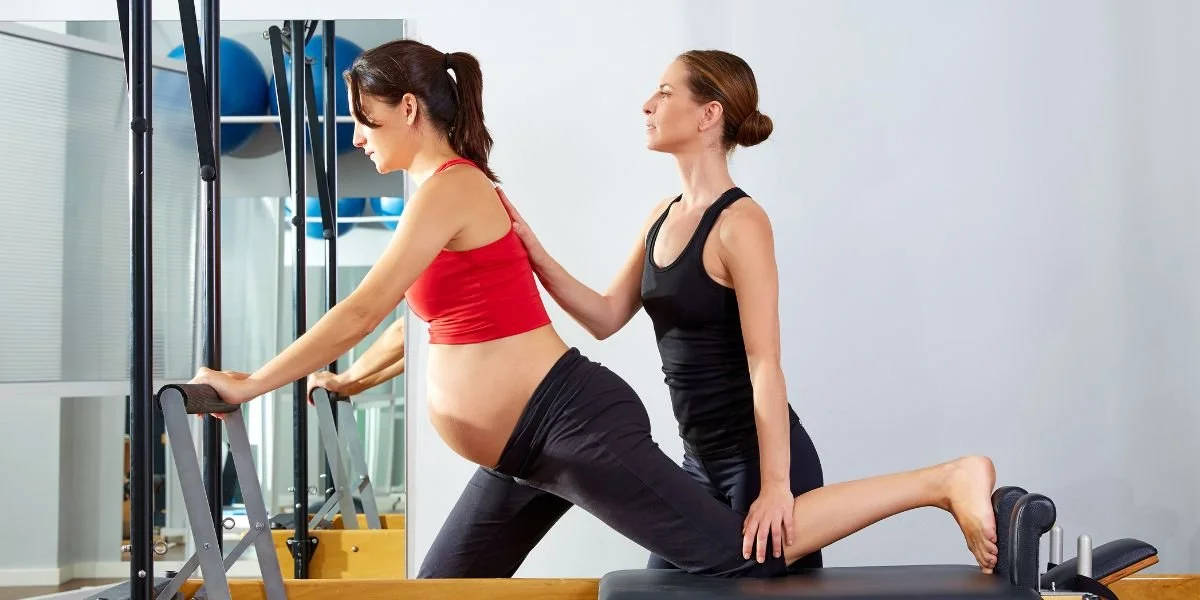
Pregnancy and childbirth bring extraordinary changes to a woman’s body. These transformations, while beautiful, often challenge physical strength, posture, and confidence. From weakened core muscles to pelvic floor tension or separation of the abdominal wall (diastasis recti), recovery requires more than rest — it requires smart movement. In recent years, reformer pilates Singapore has become one of the most trusted methods for women seeking to rebuild strength and reconnect with their bodies during and after pregnancy. Through guided, low-impact movement, Reformer Pilates restores balance, improves stability, and helps new mothers feel stronger and more in control.
Understanding the Physical Demands of Pregnancy
Pregnancy places unique pressure on a woman’s body. As the baby grows, the centre of gravity shifts forward, altering posture and muscle balance. The abdominal muscles stretch to accommodate the bump, while the pelvic floor bears increasing load. These changes often result in:
-
Lower back discomfort
-
Weak pelvic muscles
-
Postural misalignment
-
Tight hips and hamstrings
-
Reduced core stability
During this time, gentle exercise becomes essential to maintain strength without overexertion. Reformer Pilates supports the body through controlled resistance and alignment-based movement, offering a safe alternative to high-impact workouts.
Why Reformer Pilates Is Ideal for Pre- and Postnatal Women
The Reformer machine uses adjustable springs and pulleys that provide support while building strength gradually. This makes it perfectly suited for expectant and new mothers, as it allows for precise movement without strain or impact.
Key advantages include:
-
Low-impact strength training: Builds stability without putting pressure on joints.
-
Targeted pelvic floor engagement: Re-establishes deep core control and reduces incontinence risk.
-
Improved posture: Strengthens the back and shoulders, which often round forward during pregnancy or breastfeeding.
-
Enhanced circulation: Reduces swelling and promotes healthy recovery.
-
Mindful breathing: Encourages calm and connection between body and mind.
Instructors can tailor each session to a woman’s stage of pregnancy or recovery, ensuring movements are both effective and safe.
Supporting the Pelvic Floor: The Core of Postpartum Recovery
The pelvic floor is one of the most affected areas during childbirth. These muscles form a supportive hammock that controls bladder and bowel function while stabilising the spine and pelvis. Pregnancy weakens this structure, often leading to issues such as leakage, heaviness, or poor core engagement.
Reformer Pilates strengthens the pelvic floor through breath-led movement. During exhalation, the deep core and pelvic muscles engage, drawing upward and inward. Exercises such as “footwork,” “bridging,” and “pelvic tilt” train this connection, helping women regain control and confidence.
Over time, consistent practice reduces pelvic discomfort, improves posture, and enhances overall stability — all vital for daily activities like carrying a baby, bending, or standing for long periods.
Rebuilding the Core and Managing Diastasis Recti
Diastasis recti, the separation of abdominal muscles, is common during and after pregnancy. It occurs when the linea alba (the connective tissue running down the middle of the abdomen) stretches under pressure. Traditional abdominal exercises such as crunches can worsen the condition, but Reformer Pilates focuses on safe core activation.
By engaging the transverse abdominis, the body’s deepest abdominal layer, the Reformer helps draw the abdominal wall back together. Movements are slow and controlled, avoiding any bulging or straining of the stomach. With regular practice, women experience improved support for the spine, better posture, and a flatter, more stable abdomen.
Movement Through Every Trimester
Reformer Pilates can be adapted for every stage of pregnancy. The exercises evolve to meet the changing needs of the body while ensuring safety and comfort.
First Trimester:
Focus on foundational strength and breathing awareness. Gentle mobility exercises help maintain energy and reduce nausea.
Second Trimester:
As the bump grows, postural adjustments and hip-strengthening exercises support the lower back and pelvis. Side-lying and seated positions become more prominent.
Third Trimester:
The emphasis shifts toward relaxation, flexibility, and breath control. Modified movements prepare the body for labour by maintaining strength without excessive strain.
Postpartum:
After medical clearance (usually six to eight weeks post-delivery), Reformer Pilates helps restore pelvic stability, strengthen the core, and reintroduce controlled movement.
The Emotional Benefits of Reformer Pilates
Beyond physical recovery, Reformer Pilates offers emotional healing during a time of immense change. Many women experience anxiety, fatigue, or loss of body confidence after childbirth. The structured, mindful nature of Pilates provides a mental anchor, helping mothers reconnect with themselves through breath and movement.
The calm environment of a Pilates studio offers space to slow down and rebuild both body and mind. Each session becomes a form of self-care — a time to focus inward, release stress, and rebuild identity beyond the demands of motherhood.
Improving Posture and Reducing Everyday Strain
Caring for a baby often involves repetitive movements — lifting, feeding, rocking, and carrying. These can cause shoulder tension, rounded posture, and neck pain. Reformer Pilates strengthens the postural muscles, teaching women how to move efficiently and reduce physical fatigue.
Practical improvements include:
-
Better spinal alignment during breastfeeding.
-
Reduced shoulder and wrist strain when carrying infants.
-
Improved balance when moving from sitting to standing.
-
Enhanced coordination and endurance during daily tasks.
These adjustments make motherhood more comfortable and sustainable, minimising chronic pain and stiffness.
Reformer Pilates as a Community for Mothers
Motherhood can be isolating, especially in the early months. Group Reformer sessions create a sense of community and shared understanding. Many studios in Singapore provide women-only classes that combine expert guidance with a supportive environment.
In these sessions, mothers exchange experiences, celebrate progress, and motivate one another through the recovery journey. The atmosphere of encouragement fosters emotional wellness alongside physical strength.
Guidelines for Safe and Effective Practice
While Reformer Pilates is highly beneficial, proper instruction is essential for safety. Expecting and new mothers should always consult a qualified instructor and obtain medical clearance before starting.
Important tips:
-
Inform the instructor of pregnancy stage or postpartum status.
-
Avoid exercises that create abdominal pressure.
-
Focus on slow, controlled breathing and gentle engagement.
-
Stop immediately if discomfort or dizziness occurs.
-
Gradually increase intensity over time.
With careful progression, results can be both empowering and long-lasting.
Choosing the Right Studio in Singapore
A supportive studio environment enhances recovery and motivation. Instructors who specialise in pre- and postnatal Pilates can tailor sessions to individual needs, ensuring comfort and safety.
Studios such as Yoga Edition provide dedicated programmes that focus on deep core rehabilitation, alignment, and holistic recovery. Their structured approach helps mothers regain strength while honouring the changes their bodies have experienced.
FAQs
Q1: When can I start Reformer Pilates after childbirth?
Most women can begin gentle sessions six to eight weeks postpartum, after receiving clearance from their doctor. Those who had a C-section may need additional recovery time before starting.
Q2: Can Reformer Pilates help with urinary leakage or pelvic discomfort?
Yes. Strengthening the pelvic floor through guided breathwork and controlled movement helps improve muscle tone and bladder control.
Q3: Is Reformer Pilates safe during pregnancy?
With the guidance of a qualified instructor, it is generally safe for healthy pregnancies. Exercises are modified for each trimester to accommodate physical changes.
Q4: How often should new mothers practice?
Two to three sessions per week yield optimal results. Even one session weekly can improve posture and reduce back pain when combined with mindful movement at home.
Q5: Can it help with emotional recovery?
Absolutely. The mindfulness and breathing techniques reduce anxiety, improve body confidence, and create a sense of calm and empowerment.
For women in Singapore navigating the transition from pregnancy to motherhood, Reformer Pilates offers a path to both physical and emotional restoration. It rebuilds strength from the inside out, helping mothers move, feel, and live with renewed balance, confidence, and vitality.
