

Having a baby is one of the most physically transformative experiences a woman can go through. The nine months of pregnancy, followed by the demands of labour and the relentless physical work of caring for a newborn, leaves most new mothers feeling far removed from the body they once knew. For many Singapore mums, the desire to return to fitness is strong, but so is the uncertainty about where to begin, how hard to push, and whether high-intensity training is even appropriate in the postpartum period.
The answer to that last question is nuanced. High-intensity training like les mills singapore at True Fitness is absolutely achievable for postpartum women, but the timing, approach, and understanding of your own body’s recovery are critical. Done right, returning to GRIT-style HIIT can be one of the most effective ways to rebuild strength, restore metabolic health, and reclaim a sense of physical confidence after pregnancy.
Understanding What Pregnancy Does to the Body
Pregnancy is not simply a period of weight gain. It involves profound structural and physiological changes that affect the core, the pelvic floor, the hormonal system, and the cardiovascular system. Understanding these changes is the first step to returning to exercise safely and intelligently.
The growing uterus stretches and weakens the abdominal muscles over the course of pregnancy. Many women experience diastasis recti, a separation of the two halves of the rectus abdominis muscle along the midline. This condition, which can range from mild to significant, affects core stability and can make high-load exercises unsafe if not properly assessed and addressed first.
The pelvic floor, a group of muscles that support the uterus, bladder, and bowel, undergoes tremendous strain during pregnancy and particularly during vaginal delivery. A weakened pelvic floor can result in urinary leakage, pelvic organ prolapse, and reduced core stability. High-impact activities, including jumping movements common in HIIT, can worsen these conditions if the pelvic floor has not been adequately rehabilitated.
Hormonal changes during and after pregnancy, particularly the elevated relaxin levels that persist during breastfeeding, affect joint laxity and increase injury risk. Connective tissues and ligaments remain more flexible than normal for some months after delivery, making joints more vulnerable to strain if training loads are increased too quickly.
The Recommended Timeline for Returning to HIIT
General guidance from physiotherapists and obstetricians in Singapore and internationally suggests a conservative approach to returning to high-intensity exercise after childbirth. The minimum recommended waiting period before returning to impact and high-load exercise is typically 12 weeks postpartum for vaginal delivery and longer for caesarean section. However, this timeline is a starting point, not a guarantee of readiness.
Before resuming any form of intense training, postpartum women are advised to complete a proper pelvic floor assessment with a women’s health physiotherapist. This assessment evaluates whether the pelvic floor and core have regained sufficient function and strength to tolerate the demands of high-intensity exercise. It is one of the most valuable investments a Singapore mum can make in her long-term physical health.
Once cleared by a healthcare professional, a gradual return is recommended. Beginning with low-impact, core-focused exercise and progressing incrementally towards the demands of a GRIT class ensures the body adapts safely at each stage.
How GRIT Supports the Postpartum Body When Used Appropriately
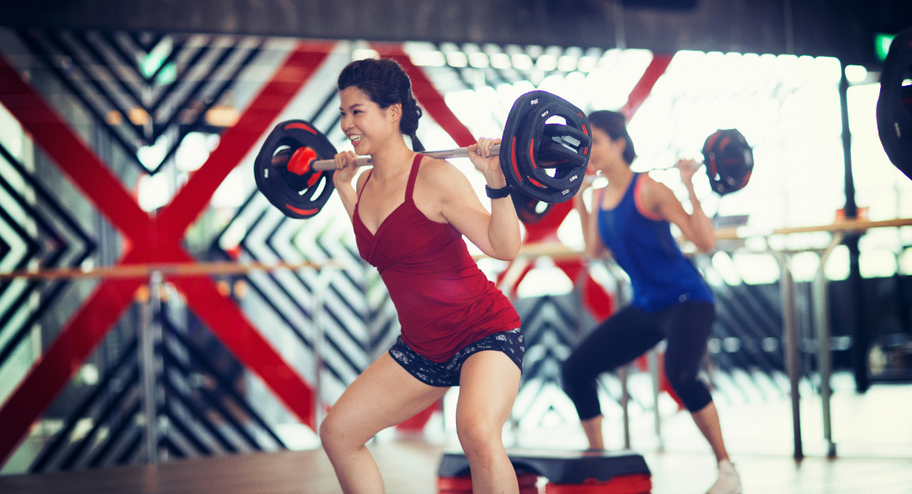
LES MILLS GRIT, while intense by design, is scalable in ways that make it compatible with a carefully managed postpartum return to fitness. The barbell and bodyweight format allows participants to start at a very low load and increase incrementally. Jumping movements can be replaced with step-based alternatives until the pelvic floor and joints are ready for impact. The structured class format ensures that each movement is coached with attention to technique, which is particularly important during a phase when the body is still rebuilding stability.
The strength component of GRIT is especially valuable for postpartum women. Rebuilding muscle mass after pregnancy helps restore the resting metabolic rate, which tends to change during and after pregnancy. Strong muscles around the hips, glutes, and upper back also reduce the postural strain that comes with carrying, feeding, and caring for a baby, all of which place repetitive stress on the spine and shoulders.
The cardiovascular conditioning provided by GRIT also supports hormonal rebalancing post-pregnancy. Regular vigorous exercise improves mood, reduces the risk of postnatal depression, regulates sleep patterns, and provides a psychological outlet that many new mums desperately need.
Practical Considerations for Singapore Mums
Singapore mums returning to fitness face a unique set of practical challenges. Childcare arrangements, work return timelines, breastfeeding schedules, and family support structures all affect when and how exercise can be incorporated into daily life. The 30-minute format of GRIT is one of its most practical features for new mothers. A half-hour window during a nap, before a partner leaves for work, or during a lunch break is far easier to find than a 90-minute gym session.
Many fitness facilities in Singapore, including True Fitness Singapore, offer class schedules at a range of times throughout the day, including morning and midday options that can align with a baby’s schedule. Planning workout sessions in advance and treating them as non-negotiable appointments helps new mums maintain consistency even during the chaotic early months of parenthood.
Staying hydrated is particularly important for breastfeeding mothers who are training intensely. Milk production increases hydration demands considerably, and vigorous exercise adds to fluid loss through sweat. Bringing a large water bottle to every GRIT session and prioritising fluid intake throughout the day is a simple but essential habit.
Listening to Your Body: Signs to Scale Back
Even with a proper clearance and a graduated return, postpartum women need to remain attentive to signals that the body is not yet ready for the current training demands. Warning signs include urinary leakage during exercise, pelvic heaviness or pressure, lower back pain that was not present before or worsens after training, joint pain in the knees or hips, and excessive fatigue that does not resolve with rest.
Any of these symptoms warrants a pause and a revisit with a women’s health physiotherapist before continuing. They are not signs of weakness but of a body that needs more time or a different approach to rehabilitation. Pushing through them risks longer-term consequences that are far more disruptive than a brief modification to training.
FAQ
Q: Do I need to tell the GRIT instructor I am postpartum before joining a class?
A: Yes, absolutely. Informing the instructor allows them to offer appropriate modifications and keep an eye on your technique during movements that may be challenging for a postpartum core or pelvic floor. Instructors are trained to support participants with varying needs.
Q: Can I do GRIT while breastfeeding?
A: Yes, many breastfeeding mothers exercise at high intensity without any issue for their milk supply. Hydration and overall caloric intake are the key factors to monitor. Some mothers find it more comfortable to nurse or express before an intense class to reduce breast fullness during exercise.
Q: How do I find a women’s health physiotherapist in Singapore?
A: Referrals from your obstetrician or general practitioner are a good starting point. You can also search for physiotherapy clinics in Singapore that specialise in women’s health or pelvic floor rehabilitation. The assessment is typically one to two sessions and is well worth the investment before returning to high-impact exercise.
Q: My caesarean scar is still sensitive. Can I still do GRIT exercises?
A: A caesarean section involves cutting through multiple layers of abdominal tissue, and full healing of the scar and surrounding tissue takes longer than external healing suggests. Most practitioners recommend waiting a minimum of 16 to 20 weeks after a C-section before returning to high-intensity training, with specific assessment of scar tissue mobility and core function before progressing.
Q: I was very fit before pregnancy. Does that mean I can return to GRIT sooner?
A: Pre-pregnancy fitness level has some bearing on recovery, but it does not override the timeline needed for pelvic floor and core rehabilitation. The structural changes of pregnancy affect even very fit women, and returning too soon based on perceived fitness rather than actual physical readiness is a common cause of postpartum injury.
